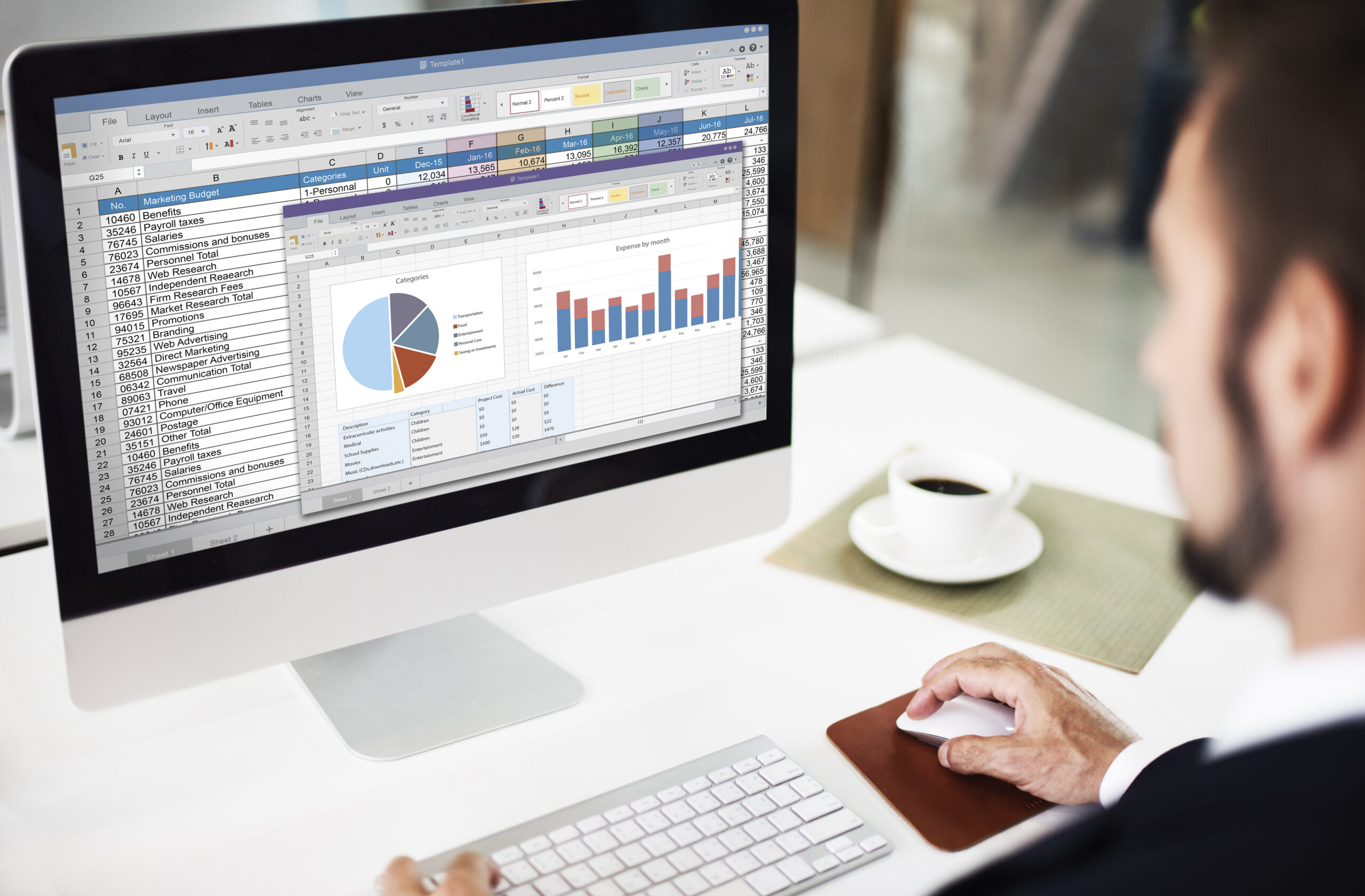
Reports help people understand what is happening inside a business. Sales teams track numbers, managers review trends, and leaders make choices based on what they see. When reports feel slow or confusing, trust in data drops. Many teams still spend hours building reports by hand, which leads to errors and stress.
A better approach focuses on clarity, speed, and control. When reporting feels simple, people use it more often. This article explains how a structured reporting process can improve daily work, reduce mistakes, and help teams focus on real decisions instead of formatting issues.
Why Reporting Still Feels Hard for Many Teams?
Reporting should feel routine, yet many teams struggle with it. Data often lives in many files, systems, or folders. Pulling it together takes time and patience. Even small changes can break formulas or charts, which creates frustration and delays.
Another issue comes from skills gaps. Not everyone feels confident working with formulas or layouts. When one person owns all reports, progress slows. Teams wait for updates instead of exploring data on their own. This creates dependency and limits insight.
Common pain points include:
- Manual copy and paste between files
These challenges do not mean teams lack effort. They show that the process needs structure and a clearer method for handling information.
How an excel reporting tool Improves Daily Work?
An excel reporting tool works best when it supports clear steps. It should help users gather data, clean it, and present it in a way that makes sense. The goal is not to add complexity but to remove friction from daily tasks.
A strong reporting setup allows users to reuse templates. It keeps formulas consistent and reduces the risk of errors. When reports follow the same structure, readers know where to look. This builds trust in the numbers and helps teams act faster.
Flexibility also matters. Users should be able to adjust reports as needs change without starting over. This is important when targets shift or new questions arise. The tool becomes a steady support rather than a source of stress.
How Teams Use Reporting Tools in Real Situations?
Teams use reporting tools in many ways. Finance teams track budgets and forecasts. Operations teams monitor output and delays. Sales teams review performance by region or product. Each team needs clear answers to guide daily work.
In each case, the tool helps answer simple questions. What changed this month. Where did results fall short. What needs attention next week. Clear reports turn these questions into action.
Shared understanding is another benefit. When everyone looks at the same report format, discussions stay focused. Less time goes into explaining charts. More time goes into solving problems and planning next steps.
Building Better Habits Around Reporting
Tools alone do not solve reporting issues. Habits matter just as much. Teams need clear ownership of data sources. They also need rules for updates and reviews so reports stay reliable.
Start by defining what each report should answer. Avoid adding extra charts that no one uses. Keep labels clear and language simple. Reports should guide action, not show technical skill.
Training also plays a role. Short sessions help users feel confident and reduce mistakes. When people understand how reports work, they trust them more. This trust leads to better use and stronger decisions across the team.
Conclusion
Reporting does not need to feel heavy or slow. With the right structure, teams can turn raw data into clear insight. A well planned excel reporting tool supports this process by saving time and reducing errors.
When reports are easy to read and easy to update, people rely on them. Decisions improve because everyone works from the same view of the truth. In the end, good reporting supports good work and helps teams move forward with confidence.