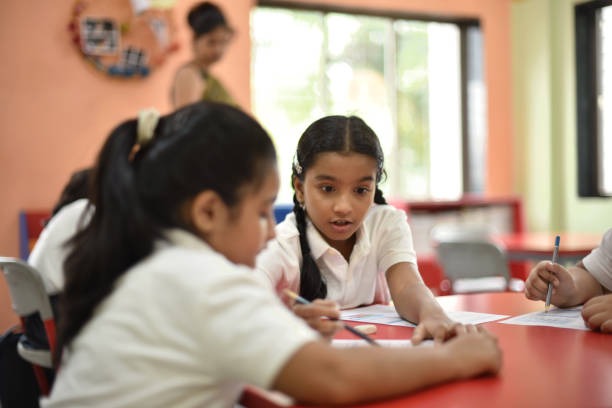
Educational institutions worldwide are embracing new approaches that acknowledge the wide range of learning differences among students. Many families have seen firsthand how responsive teaching can help children thrive academically and personally. Within this changing landscape, systems that support special education have become essential to ensure every student receives equal access to learning opportunities. These systems emphasize adaptability, collaboration, and well-structured support.
Building Strong Foundations for Student Growth
Classrooms today use diverse teaching strategies designed to address multiple learning preferences. Lessons combine visual, auditory, and hands-on methods to engage students with varying strengths. Through these efforts, teachers create environments where all learners can participate meaningfully, regardless of individual challenges. This approach frequently incorporates elements of special education to ensure students receive targeted instruction that reduces barriers to learning.
The Value of Supportive Learning Environments
Schools that prioritize emotional and academic support foster confidence and motivation in students. Structured routines, clear expectations, and collaborative activities help learners feel secure and ready to engage. Staff members work together to identify needs early, adjusting strategies to prevent small challenges from becoming long-term obstacles. These supportive environments often incorporate special education principles, encouraging personalized instruction that helps students build essential academic and life skills.
Collaboration Among Educators and Specialists
As teams evaluate student progress, they rely on open communication between classroom teachers, therapists, and support staff. This cooperative structure ensures consistency in how strategies are applied across learning settings. When decisions are made collectively, students receive well-coordinated assistance tailored to their individual needs. Many schools adopt this team-based approach to enhance the impact of special education and strengthen learning outcomes for students with varied abilities.
Community Engagement and Awareness
Communities play a vital role in promoting understanding and acceptance of diverse learners. Public programs, workshops, and school-hosted events help families and community members understand the importance of inclusive learning. These initiatives encourage positive attitudes and support services for students at every stage of development. Through increased awareness, more people become active participants in conversations that shape the future of special education and advocate for equitable access to opportunities.
Using Data to Improve Instruction
Data-driven instruction allows educators to adjust teaching strategies based on measurable student progress. Schools collect information on academic performance, social development, and behavioral patterns to understand what methods work best. These insights help teachers refine their approaches and make informed decisions that support individual learning needs. This analytical process often includes evaluating how effectively special education strategies contribute to student growth, ensuring continuous improvement across classrooms.
Conclusion
Modern education continues to evolve in ways that promote fairness, inclusivity, and personalized learning. Through strong collaboration, community engagement, and data-driven planning, schools create environments where students feel respected and encouraged to succeed. The ongoing development of special education remains vital to achieving these goals and ensuring all learners have the tools they need to thrive.